

The Power of Coloring
5 ReasonsWhy It Works.
Research shows that creative activities like coloring can improve focus, reduce stress, and enhance cognitive flexibility—all essential for success. Plaibooks brings these proven benefits into the hands of students.
How It Works
5 ReasonsWhy It Works
Research shows that creative activities like coloring can improve focus, reduce stress, and enhance cognitive flexibility—all essential for success. Plaibooks brings these proven benefits into the hands of students.

Boost Focus and Reduces Stress
Sources: Common Sense Media, Frontiers in Psychology
Fact
Teenagers today spend an average of 7 hours a day on screens, leading to increased anxiety, disrupted sleep, and attention difficulties.
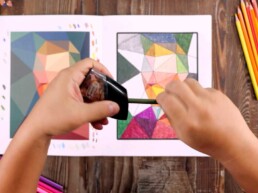
Coloring gives the teenage brain a much-needed break from digital overstimulation, engaging the senses in a way that improves concentration, mindfulness, and calm. Studies show that:
- Mindful coloring reduces anxiety and boosts focus in adolescents (Frontiers in Psychology).
- Art activities like coloring help teens regulate emotions and build resilience during high-stress periods like exams.

Strengthens Executive Function & Critical Thinking
Source:Creativity Research Journal
Study
A study published in Creativity Research Journal found that engaging in creative arts improves problem-solving and creative confidence, both essential 21st-century skills.
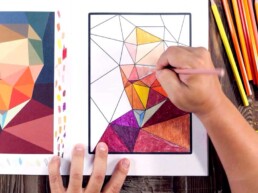
Coloring may seem simple—but it taps into complex brain processes vital for success in school and life:
- Decision-making: Teens choose colors, plan their approach, and express personal style.
- Visual-spatial reasoning: These skills are linked to STEM success and are activated through artistic activities like coloring.
- Persistence and attention to detail: Completing intricate coloring designs helps build grit—a predictor of long-term academic achievement.

Supports Emotional Well-Being & Self-Expression
Study
Journal of the American Art Therapy Association found that coloring mandalas significantly reduces anxiety levels in participants, including adolescents.
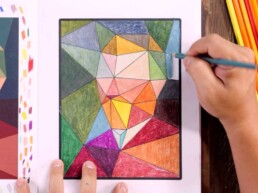
The teenage years are a time of identity formation and emotional exploration. Coloring offers a safe, non-verbal outlet for self-expression—especially important for students who may struggle to communicate feelings through words.
- Art therapy studies show that coloring helps teens manage depression, stress, and trauma by providing structure and calming repetitive motion (American Art Therapy Association).
- Expressive art therapy helps adolescents process trauma, regulate emotions, and rebuild identity, supporting emotional stability and self-worth.

Improves Fine Motor Skills & Brain-Body Connection
Source: National Geographic
Fact
Experts note that increased screen use replaces hands-on childhood play, leading children—and by extension teens—to be “less practiced in stacking, drawing, and dexterity tasks,” essential for fine motor development.
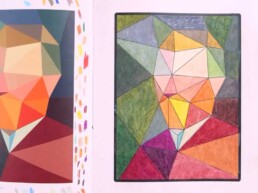
While fine motor development is often associated with younger children, ongoing practice is beneficial for teens, too—especially as many are transitioning to keyboard-heavy tasks and losing handwriting and hand-eye coordination skills.
Coloring strengthens:
- Hand muscles used in writing, drawing, and creative arts.
- The brain-body connection that supports cognitive development, organization, and memory.

Aligns with TEKS Standards for Middle and High School
Source: Texas Education Agency (TEA)
FYI
Alignment Summary:
- Fine Arts: Creative expression; aesthetic & cultural exploration using various media (Coloring and AR)
- Social Studies: Understand historical figures, cultures, and their contributions (AI Chats)
- SEL-Adjacent Skills: Critical thinking, communication, collaboration, and self-awareness (plaibooks prompts)

Plaibooks isn’t just fun—it’s standards-aligned. Our interactive coloring books:
- Meet Fine Arts TEKS by developing creative expression and aesthetic knowledge.
- Support Social Studies TEKS by deepening understanding of historical figures, movements, and cultural heritage.
- Encourage SEL (Social-Emotional Learning) by building self-awareness, empathy, and responsible decision-making.